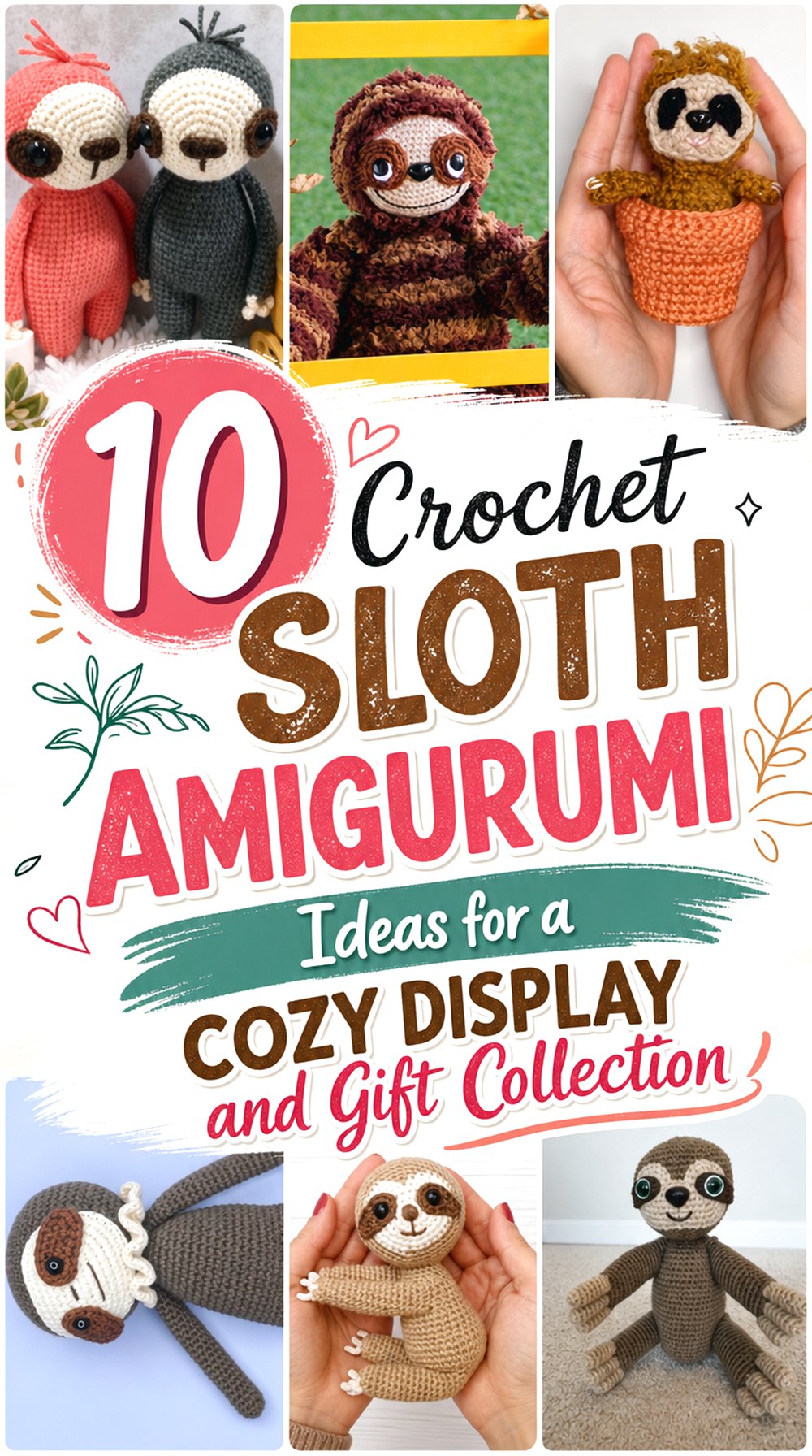

Crochet sloth amigurumi projects can look calm and cozy, but the finished pieces do not all serve the same purpose. Some are tiny enough for small displays, some are shaped more like softies, and others include features such as keychain hardware, magnetic limbs, or a plant-pot setting.
This collection focuses on sloth projects with different sizes, structures, and uses, so readers can choose by display space, gift style, finishing detail, and how much assembly they want to manage. The mix includes pocket-sized sloths, rounded squish shapes, sitting toys, a larger fuzzy softie, a hanging-style option, and a decorative pot project.
Quick List
- Crochet Tiny Pocket Sloth Amigurumi
- Crochet No-Sew Little Sloth Keychain
- Crochet Squish Sloth Amigurumi
- Crochet Chunky Round Sloth Amigurumi
- Crochet Small Sitting Sloth with Face Patches
- Crochet Taller Sitting Sloth Softie
- Crochet Large Fuzzy Sloth Softie
- Crochet Magnetic-Limbed Sloth Amigurumi
- Crochet Sloth in a Plant Pot
- Crochet Long-Limbed Sloth Amigurumi
Why These Crochet Sloth Amigurumi Projects Are Worth Making
A crochet sloth collection works well when the pieces vary in scale and personality. A tiny sloth can sit on a shelf or become part of a small handmade gift, while a larger softie has more presence in a toy basket or cozy room display. Rounded sloths feel different from long-limbed designs, and a plant-pot sloth gives the theme a decorative twist.
These projects also help readers compare finishing details before choosing. Some designs lean on face patches and sewn features, some include extra hardware, and some may need careful checking around stuffing, limb placement, or final assembly. That makes the collection useful for planning, not just browsing.
Crochet Tiny Pocket Sloth Amigurumi
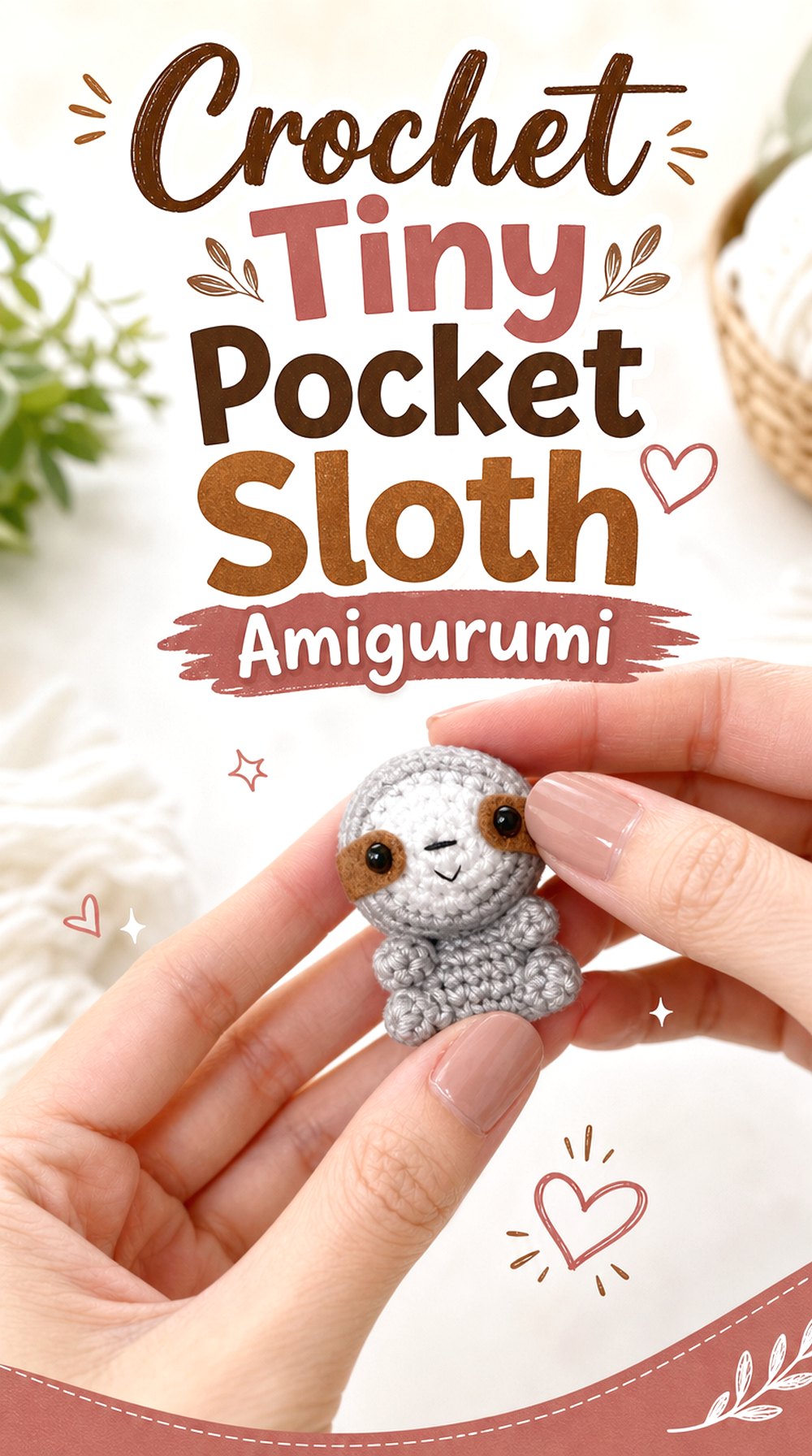
A tiny sloth brings the collection down to a small, display-friendly scale. The finished look is compact, with a rounded body, little limbs, and a gentle face that suits a shelf, desk corner, or small handmade gift. Because the project is intentionally small, the facial details and neat finishing become more noticeable than they would on a larger softie.
This option stands apart from the bigger sloths in the list because it feels more like a miniature keepsake than a full cuddly toy.
Check the Small Facial Details
On a tiny sloth, the face carries much of the character. Small eyes, darker face areas, and embroidery-style details can shift the expression quickly, so readers should check how the creator finishes those features before starting. It is also worth confirming any small extra pieces in the material list, especially when the finished project will be displayed close up.
Think About Display Placement
A compact amigurumi can be easier to place than a larger softie, but it may also need a stable surface to sit neatly. Readers planning a shelf display should think about whether the finished sloth appears balanced on its own or better leaning near other small crochet animals. This helps avoid choosing a tiny project when a more stable sitting design would suit the space better.
Use the Close-Up Sections
Small amigurumi details can be harder to read at normal speed, so close-up sections matter. Viewers may want to pause during the face, limb, and finishing portions to compare the shape as they work. A simple progress note can also help when returning to the project later, especially if several small pieces are made before final assembly.
Crochet No Sew Little Sloth Keychain
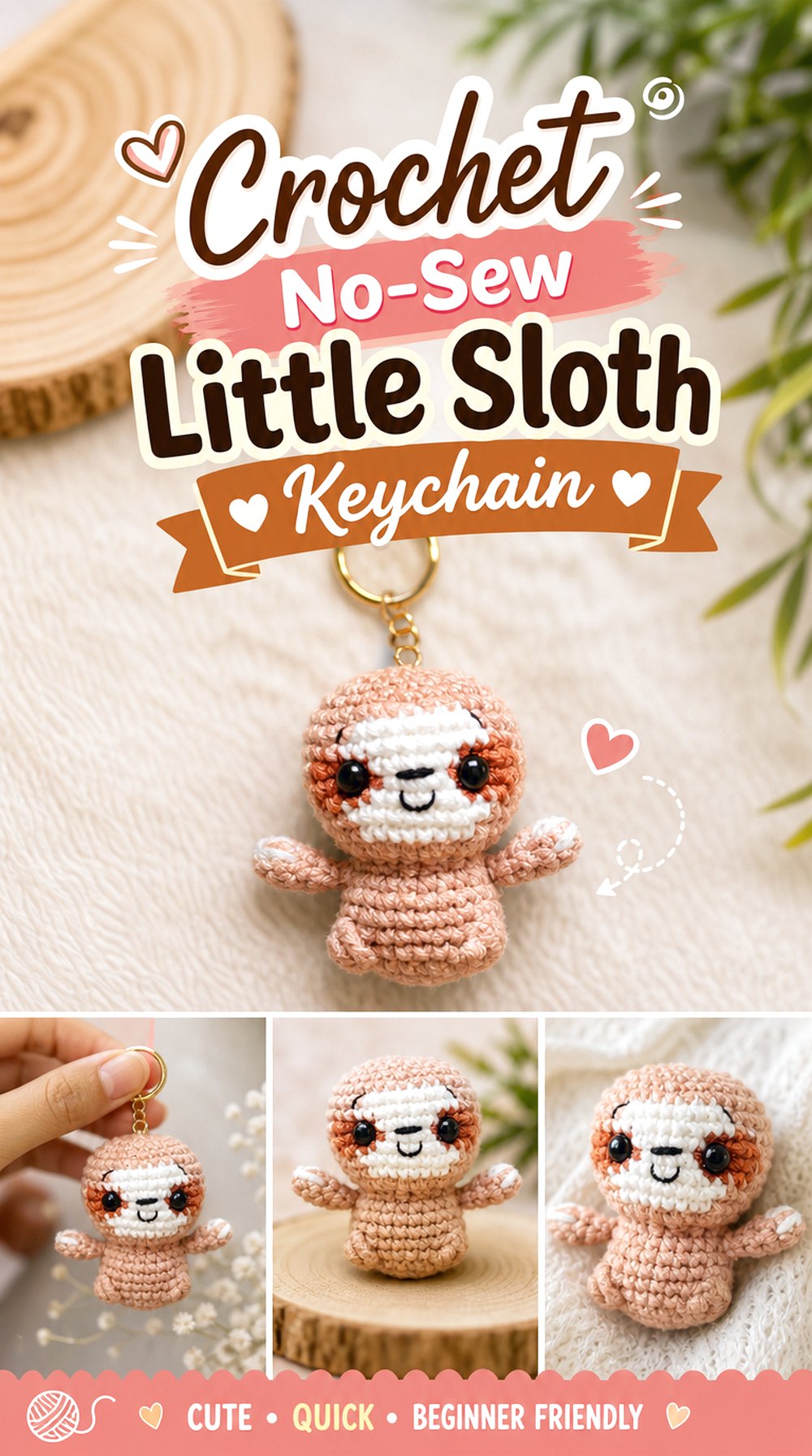
This little sloth keychain is designed as a small finished item with an attachment point, making it different from a plain sitting toy. The shape is compact, the limbs stay close to the body, and the finished piece can work as a bag charm or small accessory when the hardware is added.
The no-sew direction is useful for readers who want fewer separate pieces to attach, but the keychain finish still needs careful checking so the final sloth hangs neatly and does not look twisted.
Check the Keychain Attachment
A keychain sloth needs more than a cute face; the top attachment should sit where the finished piece hangs evenly. Readers should look closely at where the hardware is placed and whether the sloth remains upright in the final view. Since different keychain rings vary, it is sensible to confirm the required hardware before buying supplies.
Consider the No-Sew Shape
A no-sew amigurumi can reduce finishing work, but it also means the shape depends heavily on following the creator’s structure. Readers should compare the body and head shape as they work instead of waiting until the end. A small keychain gives less room to hide uneven stuffing or loose shaping, so neat progress checks matter.
Confirm Small-Part Use
Keychain amigurumi often includes small details such as eyes, embroidered features, or attachment hardware. Readers making this as a gift should review the creator’s material list and decide whether the small components fit the intended recipient and use. The source should be followed for exact finishing, and any safety or age suitability should not be assumed.
Original Tutorial and Creator Credit
Creator: Fancy Lama
Crochet Squish Sloth Amigurumi
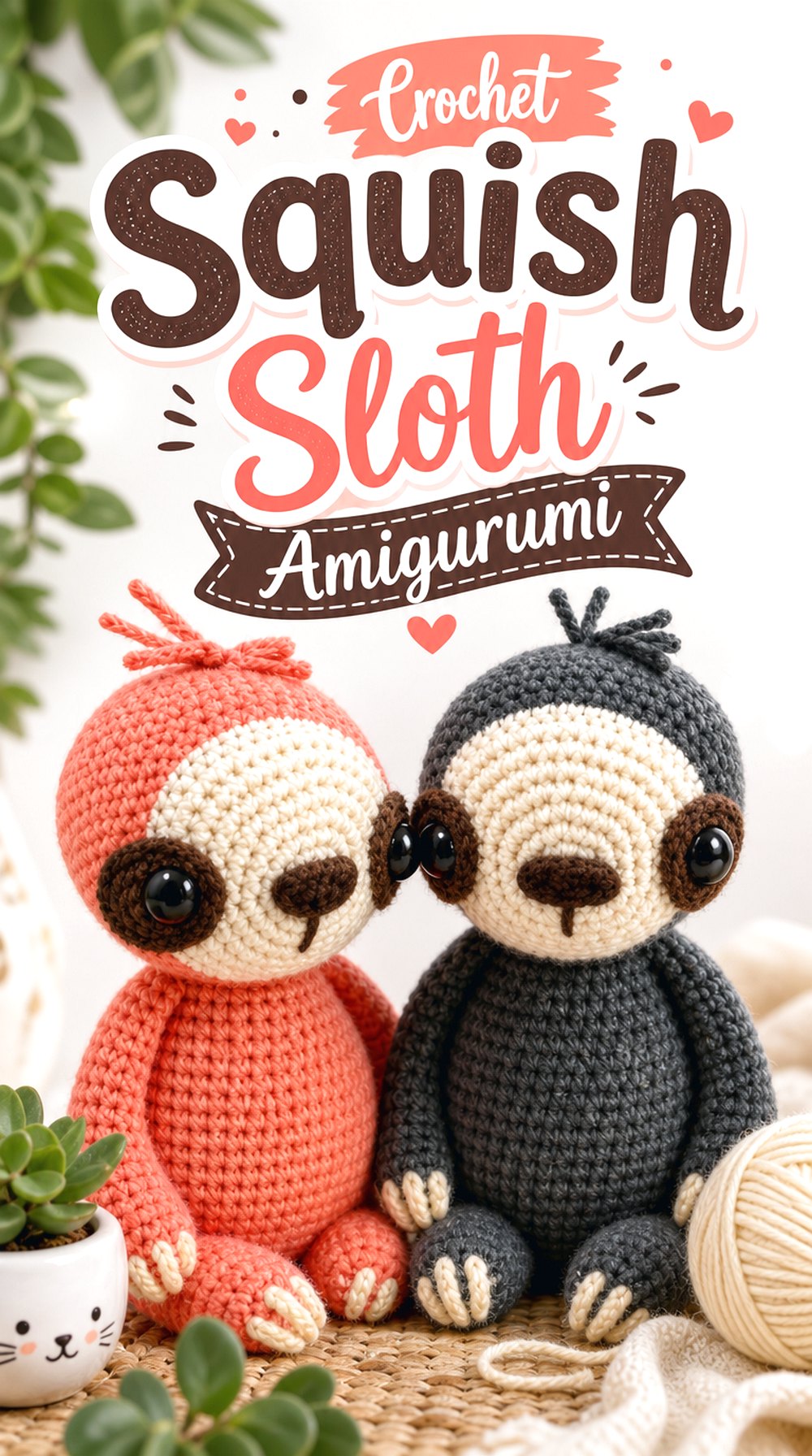
A squish-style sloth has a softer, rounder presence than a tiny charm or a detailed sitting animal. The finished look is built around a plush body shape, with the sloth features added so the character still reads clearly. This can be a good direction for readers who want a cozy shelf companion with a rounded silhouette.
Because this design is connected to a larger squish-style structure, it is important to check what supporting guide or pattern information is linked before beginning.
Review the Base Shape First
The rounded body is the main feature of this sloth, so the base shape deserves attention before facial details are added. Readers should review the full guide and any linked base information to understand how the squish form is created. A clear body shape will make the sloth details look more intentional instead of appearing crowded on the front.
Plan the Softie Size
A squish sloth may take up more display space than a tiny amigurumi, even when the design looks simple. Readers should confirm any measurements or material notes given by the creator before choosing where it will sit. This is especially useful for anyone planning a grouped collection, since rounded pieces can look larger than narrow long-limbed sloths.
Prepare for the Finishing Stage
The face and limbs define the animal after the rounded body is complete. Viewers should slow down during the placement and finishing portions so the sloth expression stays centered and balanced. Pins or temporary placement checks can be useful when the creator uses them, but exact attachment details should come from the original source.
Original Tutorial and Creator Credit
Creator: Knit Grit
Crochet Chunky Round Sloth Amigurumi
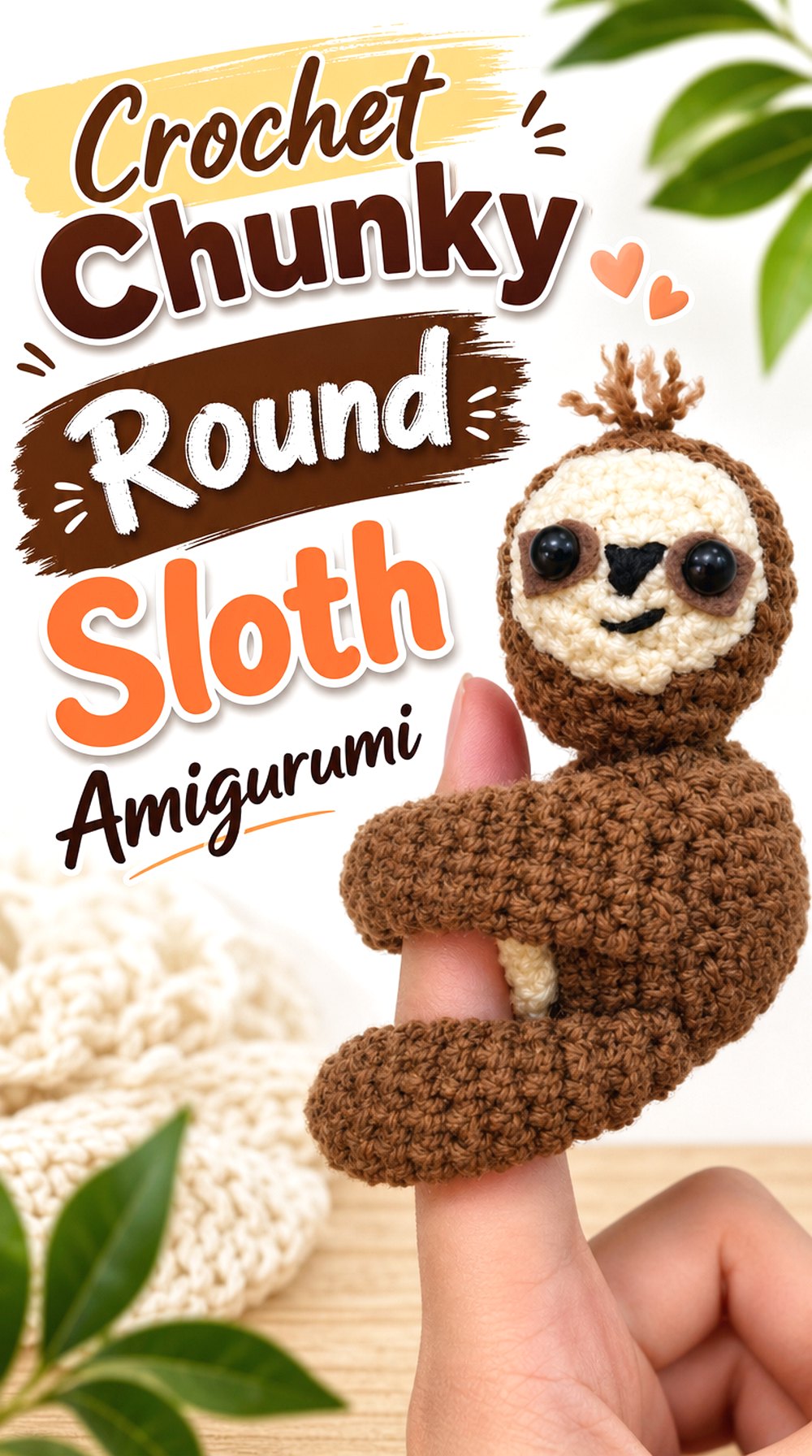
This chunky sloth has a fuller, rounded look that feels different from the tiny keychain and the longer-limbed designs. The body appears soft and compact, with the face placed prominently so the finished animal has a simple, cozy expression. It may suit readers who want a sloth that feels plush without moving into a very large softie project.
The rounded form also makes proportion important, because the face, body, and limbs need to feel balanced on a smaller surface.
Think About Rounded Proportions
A chunky sloth depends on a pleasing balance between body size, head shape, and facial placement. Readers should watch how the finished piece looks from the front before deciding whether this is the right style for their collection. A rounder amigurumi can feel sweet and soft, but it may not show long sloth limbs as strongly as other designs.
Confirm the Material List
The creator lists a hook size in the description, but readers should still review the full supply information before starting. Chunkier-looking amigurumi can change noticeably with different yarn thicknesses, so it is better to follow the source information closely or accept that substitutions may change the final size and firmness.
Compare the Shape as You Work
The simple rounded style leaves less visual distraction, so uneven shaping can stand out. Viewers may want to pause at major shape changes and compare the project with the finished view. This does not replace the tutorial, but it helps readers notice whether the body still looks centered before the final details are added.
Original Tutorial and Creator Credit
Creator: Lemon Crochet
Crochet Small Sitting Sloth with Face Patches
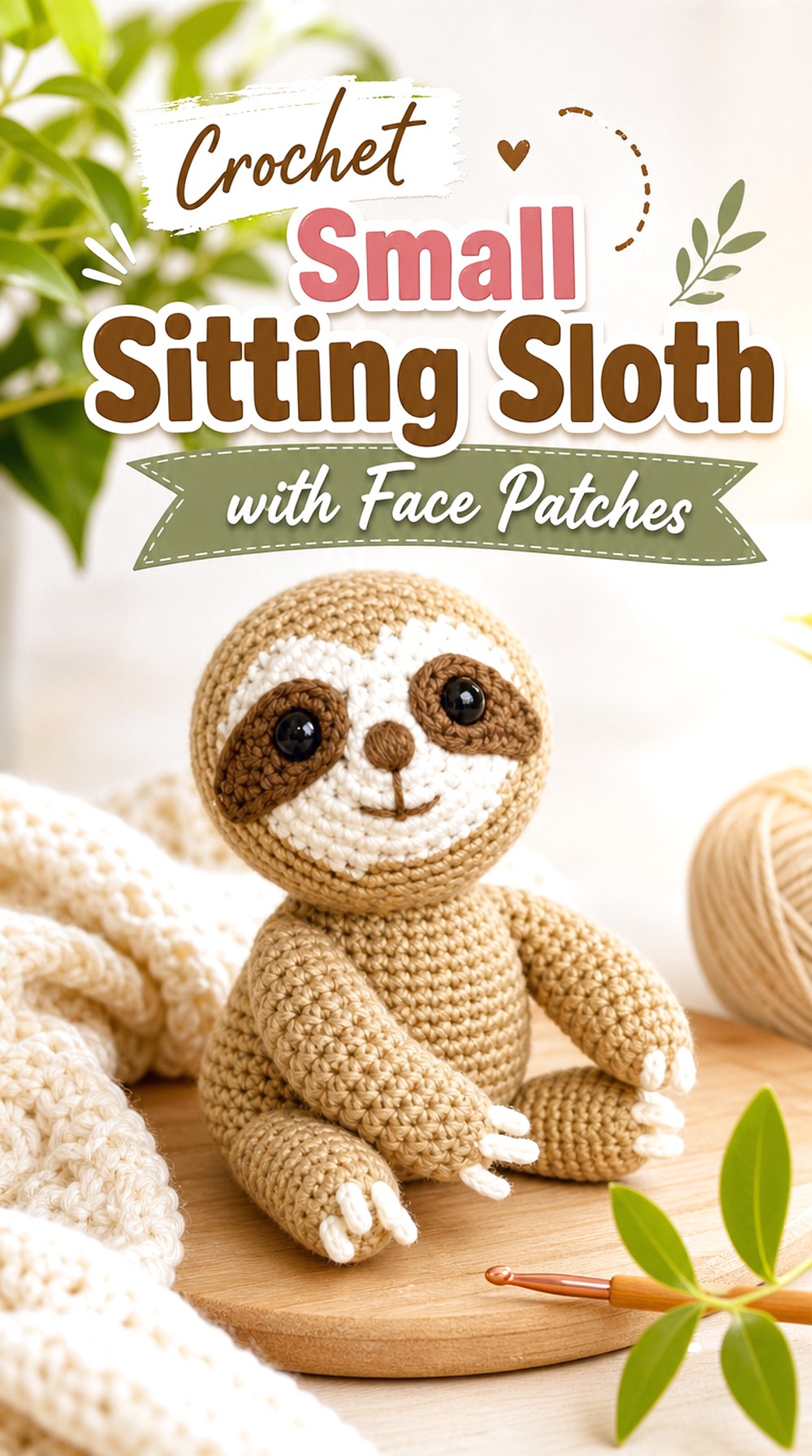
A small sitting sloth gives the collection a neat animal-toy shape with a defined face. The finished piece shown by the creator is compact, with a sitting posture and clear contrast around the face area. That makes it useful for readers who want a recognizable sloth without choosing a large huggable design.
This option differs from the rounder sloths because the sitting position, head shape, and face patches create a more traditional amigurumi animal profile.
Look Closely at the Face Patches
The face patches are a key visual feature here, so their placement should be checked carefully. Readers should study how the light and dark areas frame the eyes and nose before finishing their own piece. On a small sitting sloth, a slight shift in face detail can change the expression, making this part worth slowing down for.
Confirm the Finished Size
The creator’s description includes a sitting size, which helps readers judge whether this project suits a shelf, small gift, or grouped animal display. Anyone substituting yarn should remember that the finished size may change. Checking the stated measurement before starting helps avoid choosing a project that turns out smaller or larger than expected.
Watch the Final Assembly View
A sitting sloth needs its limbs and body to settle in a balanced way. Readers should watch the final assembly and compare the posture before fastening details permanently. This is especially helpful when the finished item is meant to sit on display, because the balance affects how easily it can be arranged with other amigurumi pieces.
Original Tutorial and Creator Credit
Creator: Amiguchos Arte em Crochê
Crochet Taller Sitting Sloth Softie
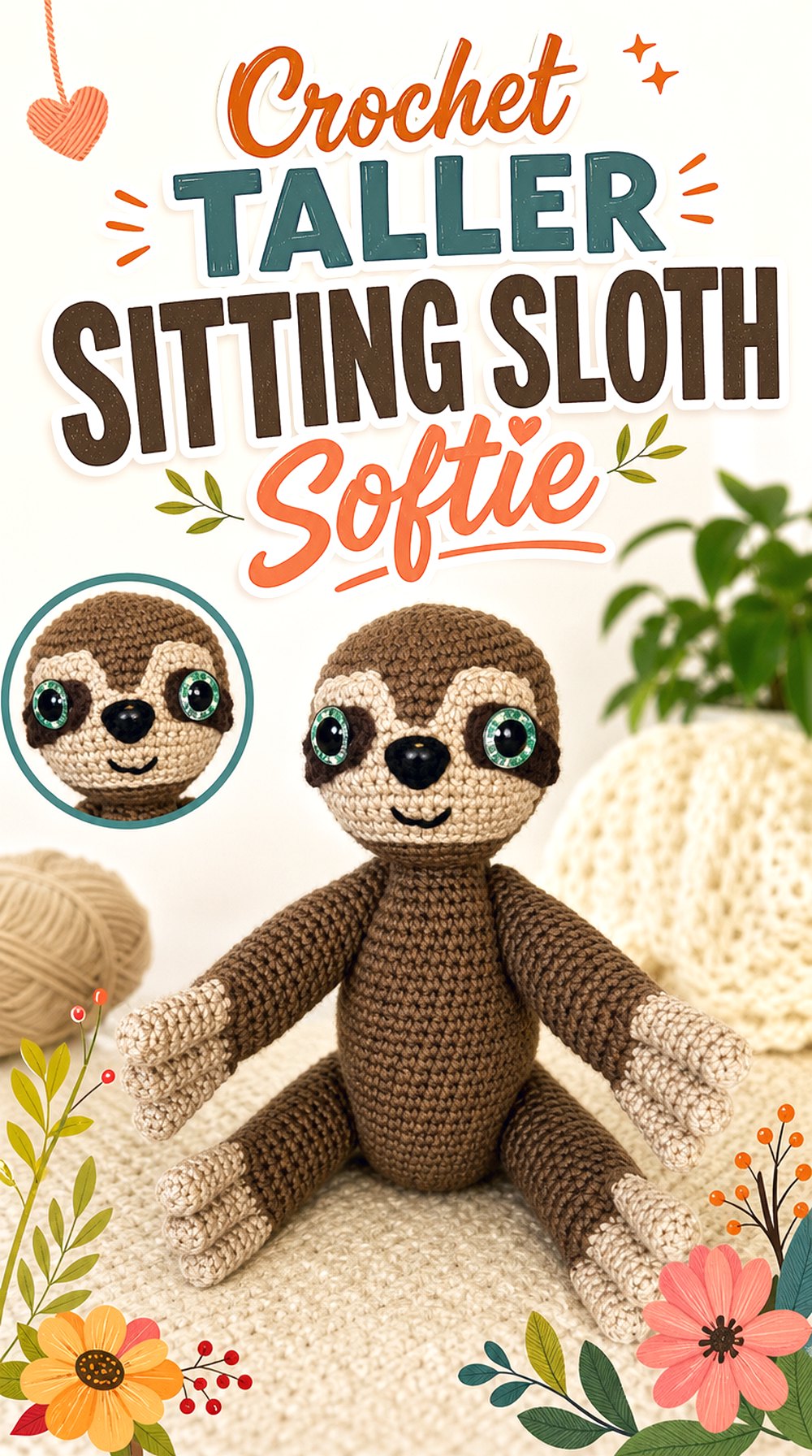
This taller sitting sloth has more presence than the mini and compact options. The finished size stated by the creator gives it a softie feel while still keeping the recognizable sloth face and seated body. It may suit readers who want one larger focal piece for a cozy animal collection.
Because the finished item is bigger than many small amigurumi sloths, readers should think about stuffing, display space, and how the face details will read from a little farther away.
Plan Around the Finished Height
The creator states an approximate sitting height, which makes this project easier to compare with smaller sloth options. Readers planning a display should measure the shelf, basket, or gift box they have in mind before choosing it. A taller sitting softie can become the main piece in a group rather than a small accent.
Check the Stuffing Shape
A larger amigurumi softie needs an even stuffed shape so the body and head look smooth. Readers should watch for the finished silhouette and avoid rushing through shaping decisions. The original source should guide all exact construction details, but the general goal is a balanced softie that sits naturally and keeps its sloth expression clear.
Review the Full Guide First
A taller project may include more shaping and finishing time than a tiny sloth. Watching or skimming the full guide before starting helps readers understand the order of major parts, without copying or skipping the creator’s instructions. It also helps identify whether any written support, supply notes, or special finishing sections are available.
Original Tutorial and Creator Credit
Creator: HelenMay Crochet
Crochet Large Fuzzy Sloth Softie
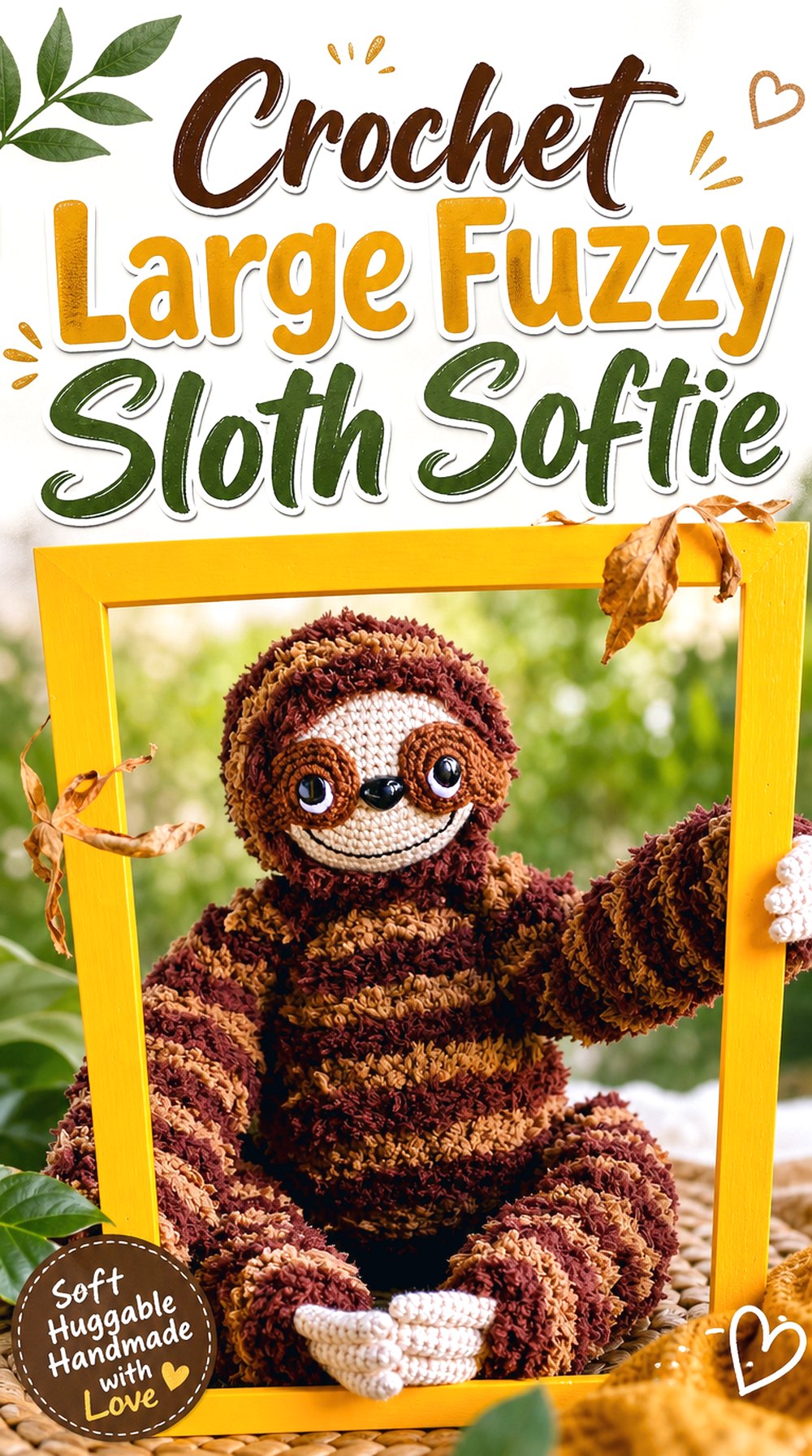
This large fuzzy sloth has a more textured, huggable look than the smoother small amigurumi in the collection. The creator describes a huggable softie and includes information about working with fuzzy yarn, which gives the finished sloth a different surface and character. The striped body and larger scale make it feel like a statement piece.
Readers who like plush-looking crochet animals may be drawn to this one, but fuzzy texture can also make stitch visibility and finishing checks more important.
Consider the Fuzzy Texture
Fuzzy yarn changes the look of an amigurumi and can soften the stitch definition. Readers should decide whether they want that furry sloth effect or prefer the cleaner stitch visibility of smooth yarn. The creator’s notes about fuzzy yarn are worth reviewing closely, because the texture affects both the finished appearance and how easily details can be checked while working.
Confirm the Display Space
A larger sloth softie needs more room than a tiny or keychain project. Before choosing it, readers should think about where it will sit: a toy basket, nursery shelf, craft booth display, or cozy chair corner. The bigger scale can be appealing, but it also means the finished piece may not fit well into a small grouped display.
Check the Written Pattern Support
The source notes that the video gives an overview and points to written pattern support. Readers who prefer exact counts and full construction details should confirm the linked written guide before starting. This is especially important for a larger fuzzy project, where guessing through unclear sections could affect the final shape and finishing.
Crochet Magnetic Limbed Sloth Amigurumi
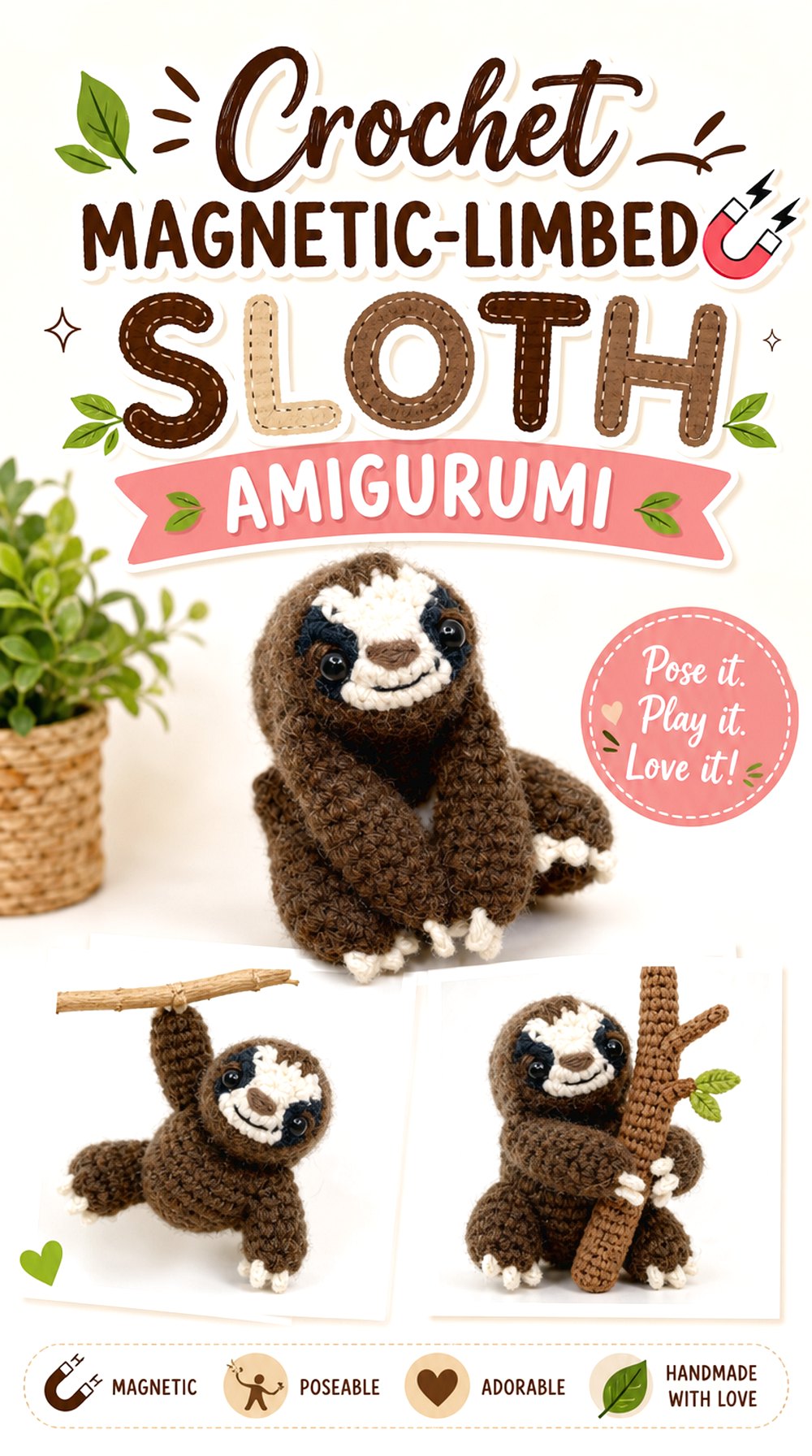
A magnetic-limbed sloth adds an interactive display detail to the collection. The creator’s material list includes mini magnets, which sets this project apart from standard sewn-limb amigurumi. The finished sloth can be planned as a hanging or poseable-style piece, depending on how the original instructions use those components.
This is a useful choice for readers who want a sloth with more than a sitting shape, but the extra components make preparation especially important.
Check Any Extra Components
Mini magnets are not a standard supply in every amigurumi project, so readers should confirm exactly what is required before starting. Extra components can affect planning, finishing, and intended use. Since magnets may not suit every recipient or setting, the maker should review the source details carefully and avoid assuming the finished toy is suitable for children.
Think About Pose and Placement
The magnetic-limbed feature can make this sloth more display-focused than a simple softie. Readers should think about where the finished piece might be placed and whether it needs a branch, metal surface, or other support shown by the creator. The project may be especially appealing when the goal is a sloth that looks like it is hanging or holding on.
Watch the Joining Section Closely
Interactive limbs need careful placement so the final shape makes sense. Viewers should slow down around the joining and assembly sections, especially where the limbs and magnets are handled. The article cannot replace those details, so the original tutorial should be used for the exact orientation, attachment, and finishing information.
Original Tutorial and Creator Credit
Creator: Club Crochet
Crochet Sloth in a Plant Pot
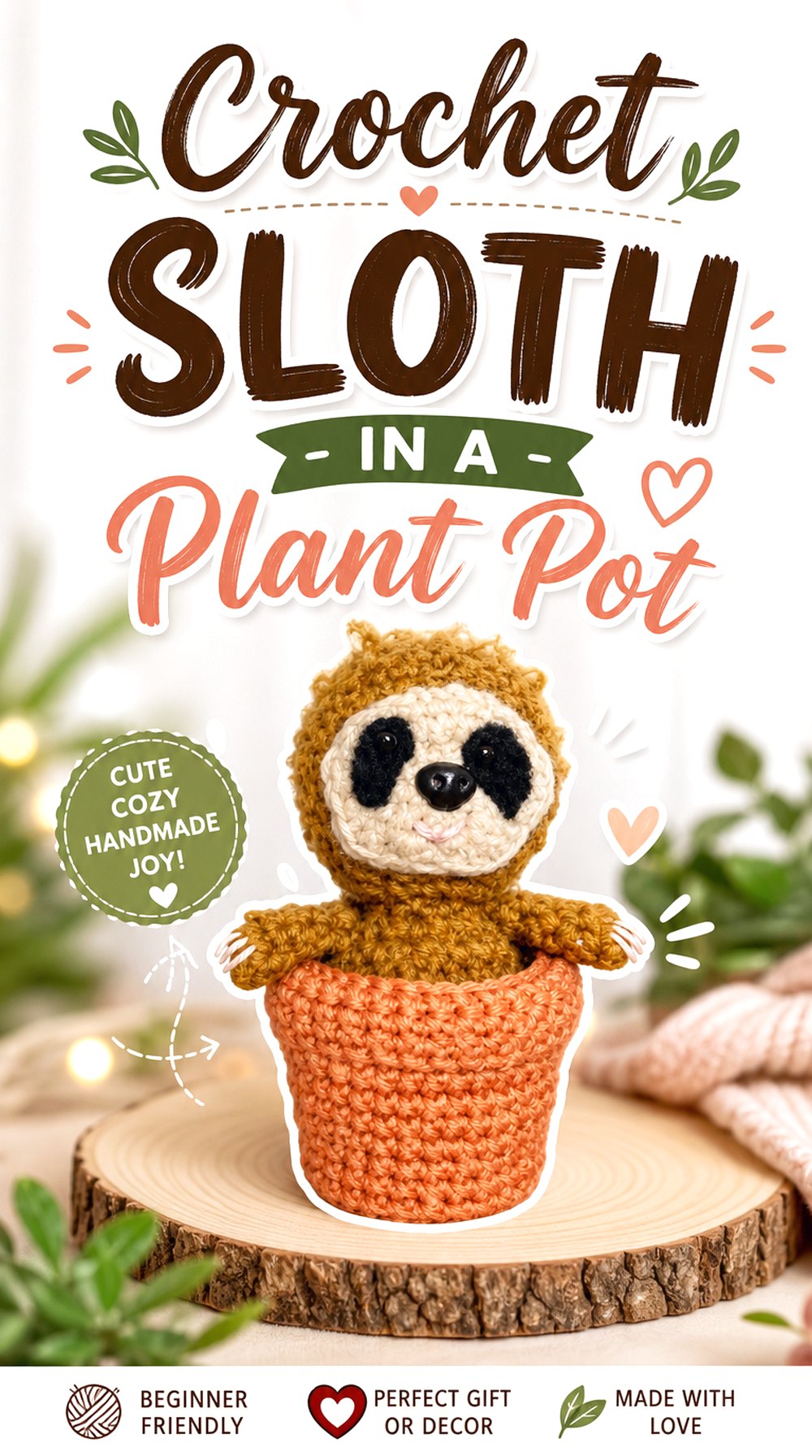
A sloth in a plant pot brings a decorative home-display angle into the collection. Instead of standing alone as a toy, the sloth becomes part of a small potted scene. The finished idea may suit a desk, shelf, windowsill display, or handmade gift for someone who likes both plants and amigurumi animals.
This project differs strongly from the other sloths because the pot setting adds structure, placement decisions, and extra visual elements around the animal.
Choose the Display Location
A potted sloth needs a clear place to sit where the pot shape can be seen. Readers should think about whether the finished project will go on a shelf, desk, or small table before starting. The pot makes the piece more decorative than pocket-sized, so it may need more visual space around it than a tiny loose amigurumi.
Confirm What Is Included
The creator’s description points viewers to related parts for the sloth head and pot, so readers should review all required links before beginning. This matters because the final project depends on more than one element. Checking the full source information first helps avoid reaching the assembly stage without a needed pot, head, or finishing detail.
Consider Daily Handling
A plant-pot amigurumi may be handled differently from a soft toy. Readers should think about whether it will be moved often, kept as display decor, or given as a desk gift. The source does not need to promise durability for the project to be useful; it simply helps to choose placement and handling expectations before making it.
Original Tutorial and Creator Credit
Creator: Neng Crochet
Crochet Long Limbed Sloth Amigurumi
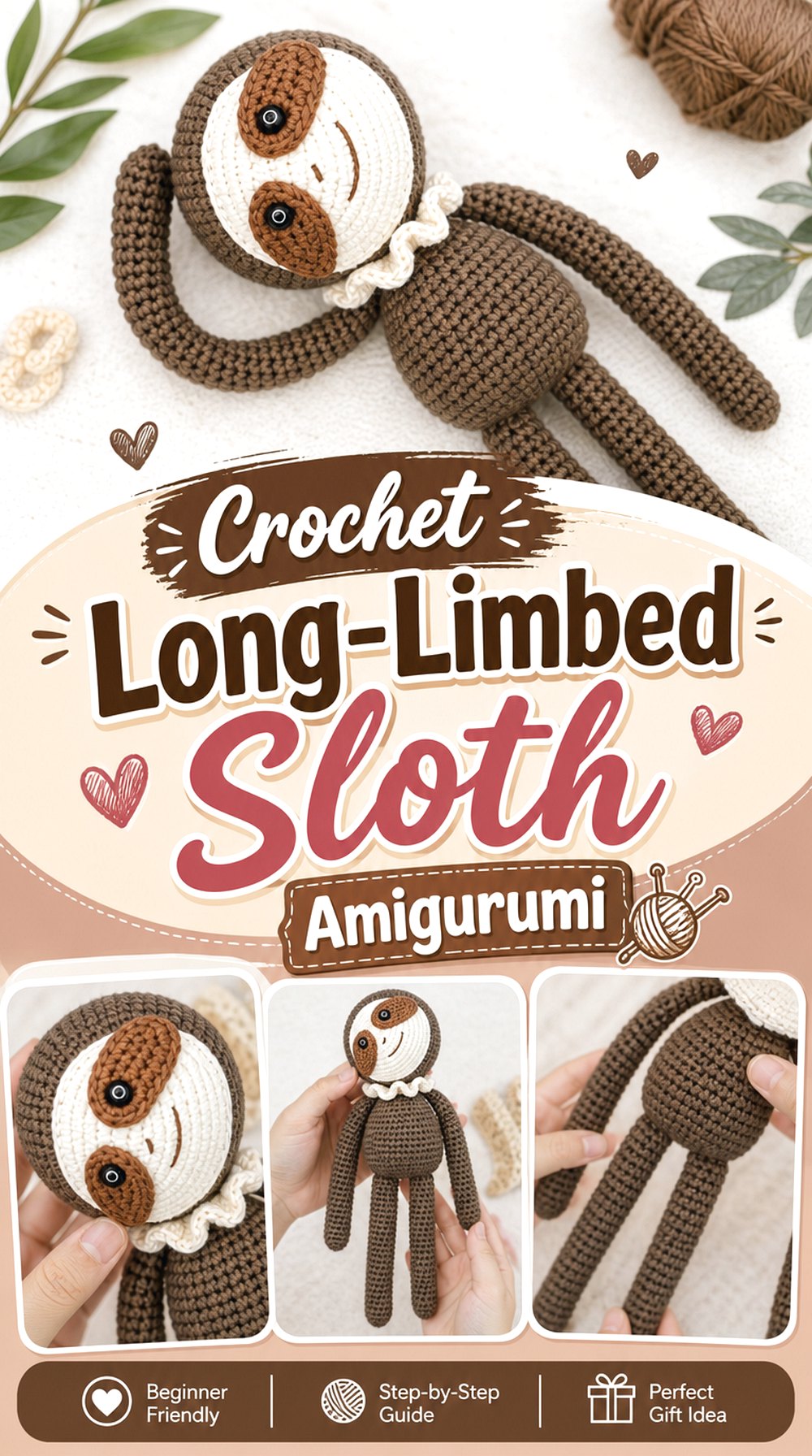
A long-limbed sloth gives the collection a more classic hanging-animal feel. The project is presented across multiple parts, with separate focus on the head, face, body, and limbs, which can help readers who prefer a slower section-by-section format. The longer limbs also make it visually different from the round squish and tiny keychain options.
This choice may suit a reader who wants a more detailed amigurumi process and a finished sloth with a stronger animal silhouette.
Follow the Section Order
A multi-part tutorial can be helpful, but only if the viewer keeps the parts organized. Readers should confirm that they have the correct starting video and any following sections before gathering supplies. Since the project develops across separate areas, a simple note about where each part begins can help prevent confusion without replacing the creator’s instructions.
Watch the Limb Placement
Long limbs are one of the main features of this style, so their placement affects the whole finished look. Readers should pay attention to how the arms and legs relate to the body before final assembly. This is especially important if the sloth will be displayed hanging, leaning, or sitting with its limbs visible from the front.
Check the Face Before Finishing
The face patches and eye area help the finished animal read as a sloth rather than a generic soft toy. Viewers should compare the face shape and placement before moving on to final finishing. Any exact counts, placements, or attachment steps should be followed from the original tutorial, not reconstructed from memory.
Original Tutorial and Creator Credit
Creator: Odinka Wisanindhi
Conclusion
These crochet sloth amigurumi ideas cover several useful directions for a cozy collection. Choose the tiny pocket sloth or keychain when space is limited, the squish or chunky sloth for a rounded soft look, and the larger fuzzy or taller sitting softie when you want more presence. The magnetic-limbed and long-limbed sloths bring more movement to a display, while the plant-pot version works best as decor. Use the original tutorials for exact construction details, especially where assembly, hardware, magnets, or linked parts are involved.
FAQs
How do I choose the right crochet sloth amigurumi size?
Start with where the finished sloth will go. A tiny sloth or keychain suits small gifts and compact displays, while a taller sitting softie or large fuzzy sloth needs more shelf or basket space. Always check the creator’s stated measurements when available, and remember that yarn substitutions can change the final size.
Which crochet sloth amigurumi is best for a display collection?
A display collection usually looks stronger when the sloths vary in height, posture, and purpose. Combine one tiny piece, one sitting softie, one round squish shape, and one decorative option such as a potted or magnetic-limbed sloth. This gives the collection contrast without relying only on color changes.
What should I confirm before starting a sloth with hardware or magnets?
Check the exact component list, placement guidance, and intended use before beginning. Keychain rings, mini magnets, and other extras affect finishing and may not suit every recipient. Do not assume a finished crochet sloth is child-safe just because it is small or soft; follow the creator’s notes and use careful judgment.
Can I change the yarn for these crochet sloth amigurumi projects?
You may be able to change yarn, but the finished size, firmness, texture, and facial proportions can shift. Fuzzy yarn, smooth cotton, and thicker plush-style yarn all behave differently. Before substituting, review the creator’s materials and decide whether you are comfortable with a different look from the original finished sample.
Can I sell crochet sloths made from YouTube tutorials?
Do not assume selling is allowed. Check the creator’s written terms, video description, linked pattern page, or shop policies before selling finished sloths. Some creators allow limited sales, some restrict finished items, and some do not clearly state terms. When the terms are unclear, ask the creator directly.