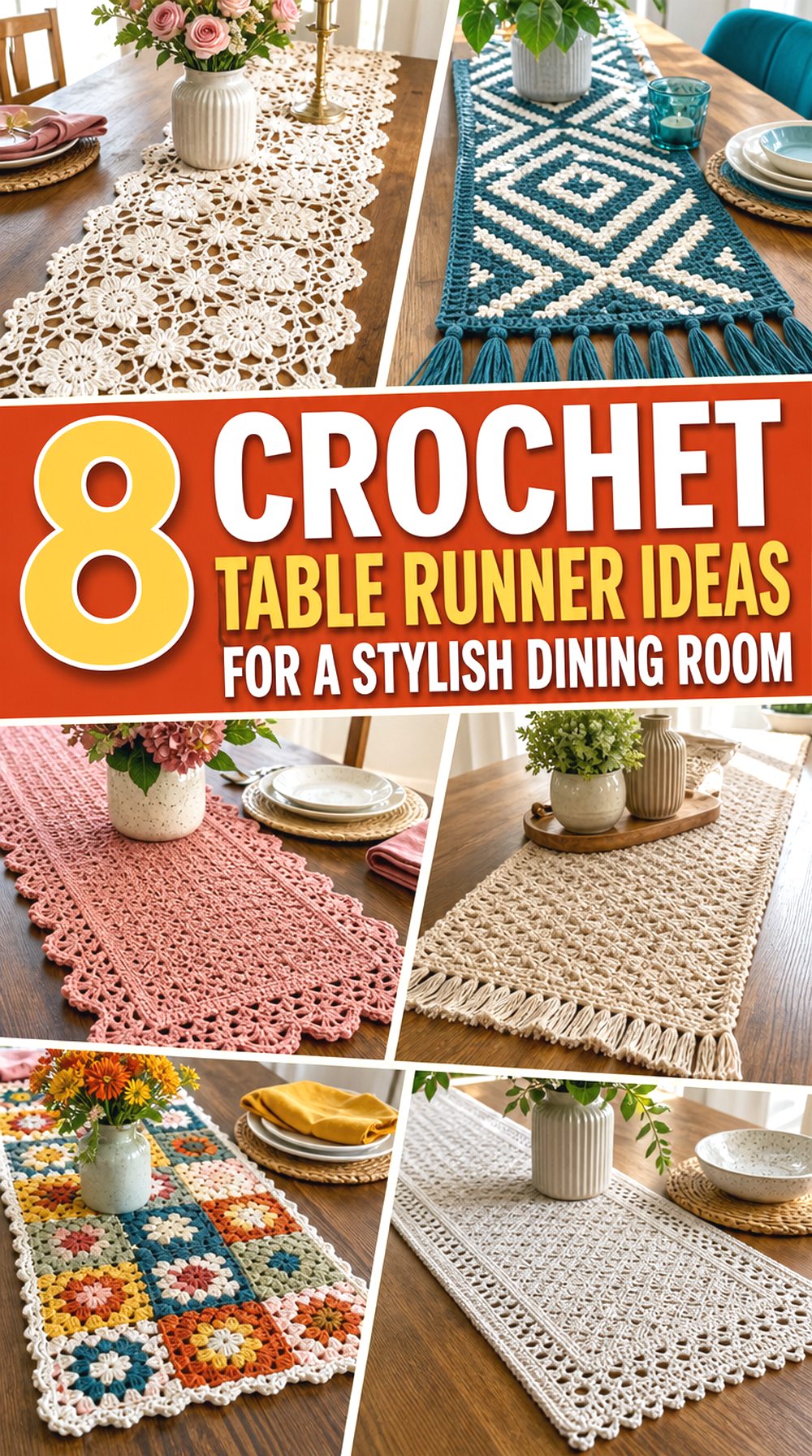

Crochet table runners can change the mood of a dining room without covering the whole table. This collection includes long rectangular runners, oval shapes, floral motifs, open lace, fringe, filet work, granny squares, and a rustic modern option, so readers can compare more than color alone.
Some runners feel better for everyday dining, while others suit seasonal decorating, special meals, sideboards, or a table that needs a softer center line. Use the project differences below to choose by shape, edge finish, surface coverage, and how much visual detail you want across the table.
Quick List
- Crochet Oval Tulip Border Table Runner
- Crochet Connected Flower Motif Table Runner
- Crochet Filet Rectangular Table Runner
- Crochet Lacy Openwork Table Runner
- Crochet Granny Square Geometric Table Runner
- Crochet Fringe-Edge Dining Table Runner
- Crochet Pineapple Lace Table Runner
- Crochet Rustic Modern Table Runner
Why These Crochet Table Runners Are Worth Making
A table runner is useful when a full tablecloth feels too heavy but a bare tabletop looks unfinished. Crochet adds visible texture down the center of the table, frames place settings, and can help connect dishes, candles, flowers, or serving pieces into one planned dining-room display.
The shape matters as much as the stitch style. A long rectangular runner gives a clean center strip, an oval runner softens the ends, joined motifs create a decorative panel, and fringe can make the table edge feel more relaxed. Before starting, readers should compare the finished shape with their table length, dining habits, storage space, and how often the piece will be handled.
Crochet Oval Tulip Border Table Runner
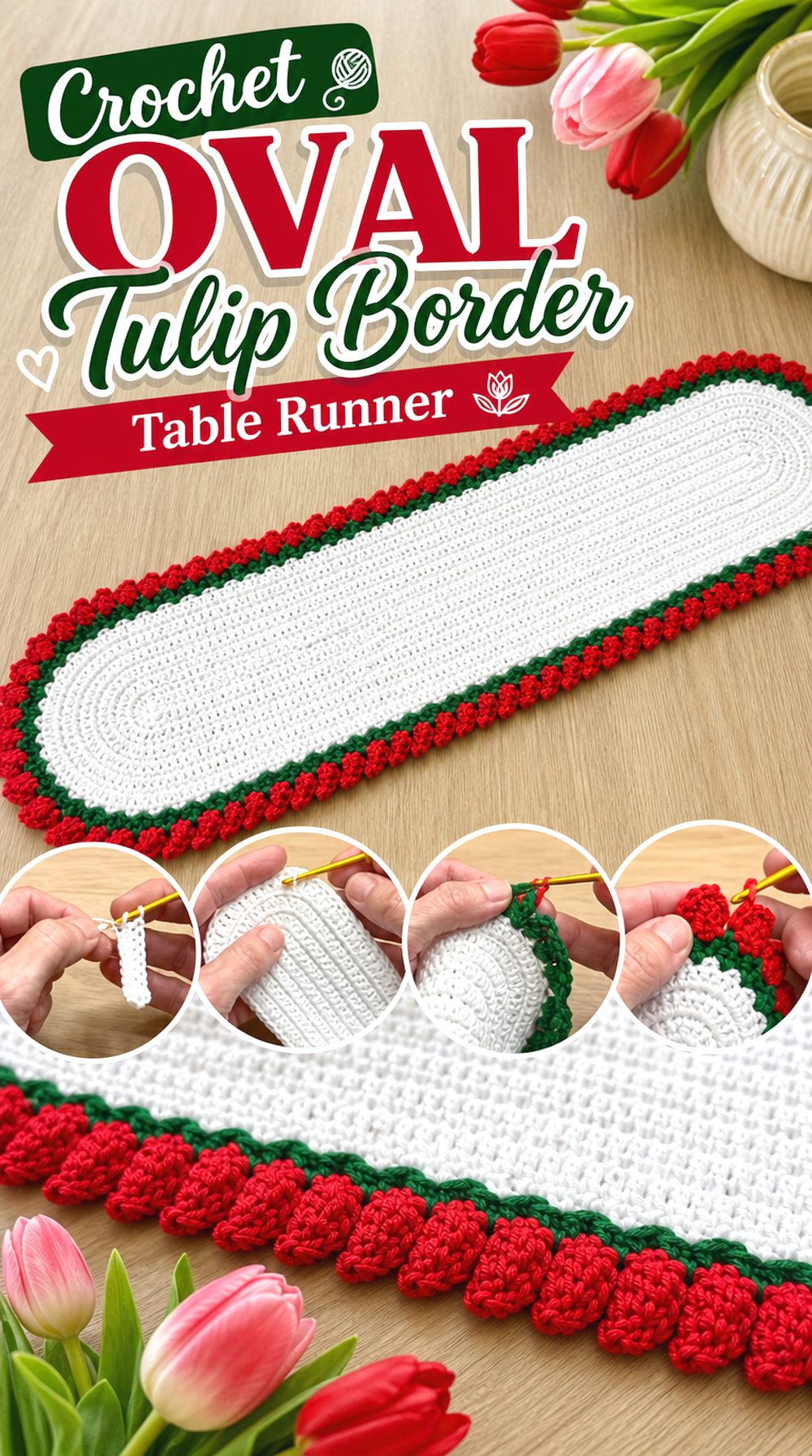
The oval shape gives this runner softer ends than a straight rectangle, which may suit rounder table settings, spring displays, or a dining table that already has strong square lines. The tulip-style border adds color and a clear decorative edge, making the finished piece feel more like a centerpiece than a plain strip.
This option stands apart from the other runners because the outline and border do much of the visual work. It may be a good fit when the table needs a shaped accent rather than a long narrow panel.
Choose the Display Location
An oval runner needs enough open table space for the rounded ends to read clearly. On a crowded table, the shape may disappear under dishes or serving bowls. Check whether you want it centered under a vase, layered over a plain tablecloth, or used alone on a bare surface. The softer outline is worth showing, so placement matters before color planning begins.
Check the Border Detail
The tulip-style edge is the main decorative feature, so readers should look closely at how the border sits around the oval. A border with raised or color-contrasting elements can draw attention quickly, especially on a dining table. Confirm that the border scale works with the table size and that the finished edge will not compete with busy dinnerware.
Review the Full Guide First
Because the project changes shape from the center area to the border, it is useful to watch the full guide before starting. Look for the point where the oval body is finished and the decorative edge begins. Marking that transition can help readers understand how the runner develops without relying on guesswork or skipping an important finishing stage.
Crochet Connected Flower Motif Table Runner
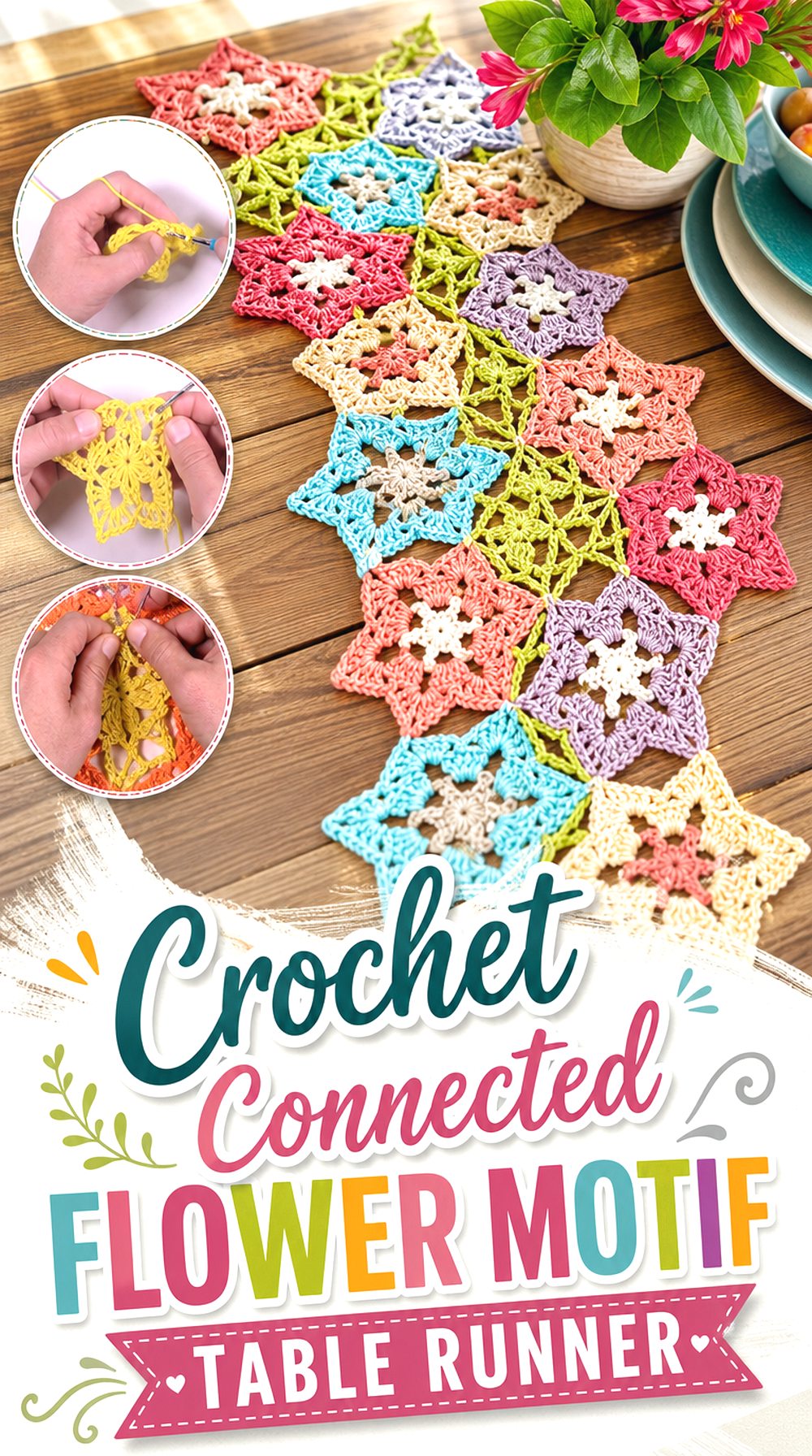
Floral motifs give this runner a more decorative, paneled look than a single-piece strip. The connected layout can work well on a dining table, console table, or buffet where the surface benefits from repeated shapes rather than one continuous texture. The flower detail also makes color planning more important because each motif contributes to the final rhythm.
Unlike the oval runner, this style depends on joined sections. That makes it especially useful for readers who like a visible motif layout and want a runner that can feel formal or playful depending on color choices.
Plan the Motif Layout
A connected motif runner needs visual balance from one end to the other. Before committing to colors, readers should think about whether they want the flowers to stand out strongly or blend into the background. Repeated motifs can look busy if every section competes for attention, so a calm palette may suit a formal dining room, while stronger contrast can work for a brighter seasonal table.
Watch the Joining Section Closely
The joined structure is a key part of this runner’s appearance. A careful look at the joining stage helps readers understand how the motifs line up and how the edges stay organized. This is not the section to rush through, because small alignment choices can affect the final table shape, especially when the runner is viewed from above.
Consider Storage After Use
Motif runners may have more openings and shaped edges than a dense rectangle. That can make storage worth planning, especially if the piece will be used only for holidays or special meals. Store it flat when possible, or fold it gently along natural motif lines so the joins and decorative edges are not stressed more than needed.
Original Tutorial and Creator Credit
Creator: The Crochet Crowd
Crochet Filet Rectangular Table Runner
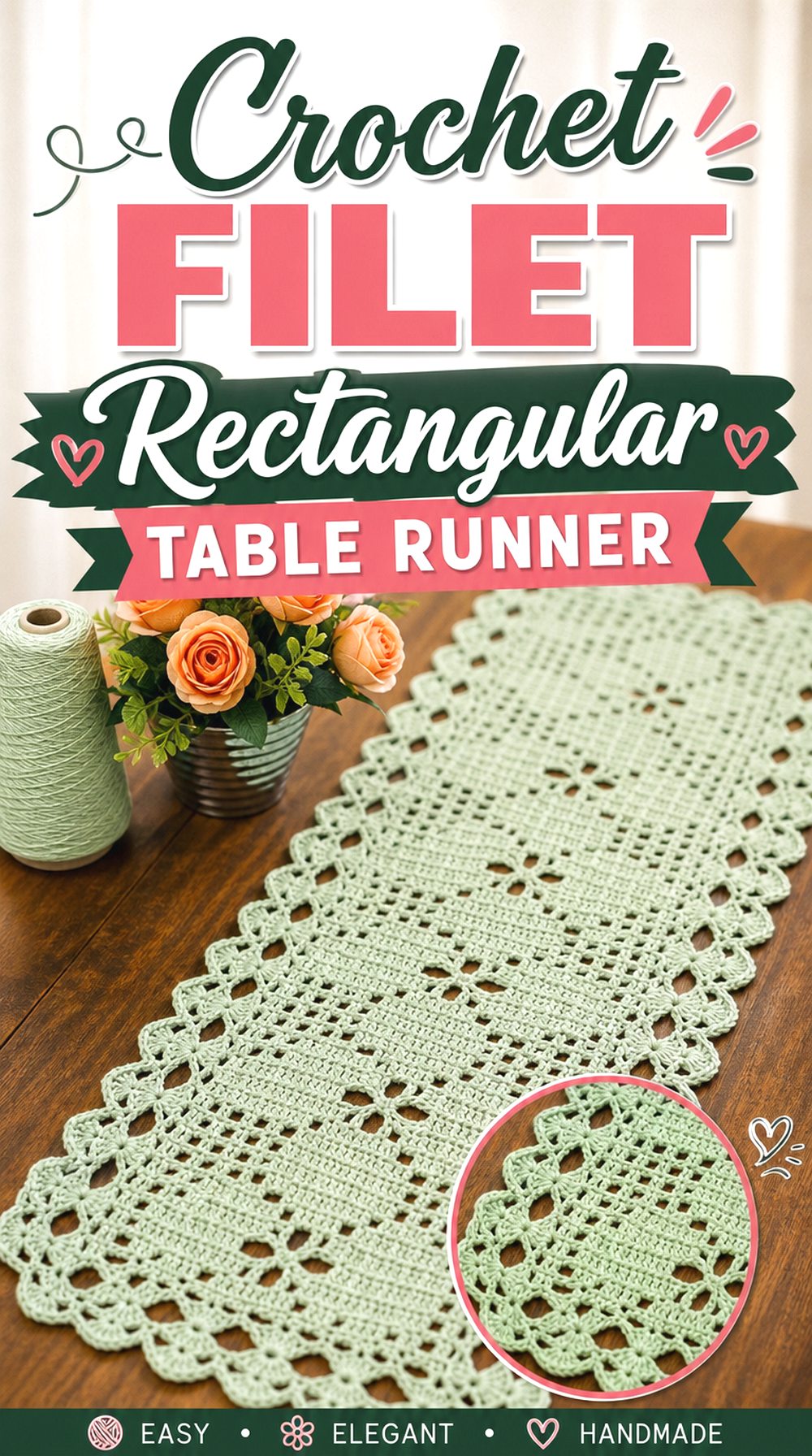
A filet runner brings a more open, patterned surface to the dining table while still keeping a long rectangular form. The straight shape makes it easy to imagine down the center of a table, while the open areas can keep the look lighter than a dense textured runner.
This idea is different from the floral motif option because the design reads more like a planned panel than separate joined pieces. It may suit readers who want a refined table accent with visible patterning and a clear beginning, middle, and end.
Confirm the Finished Dimensions
Filet work can look very different depending on the finished width and length. A narrow runner may feel delicate and formal, while a wider one covers more of the tabletop. The source provides measurement information, so readers planning around a specific dining table should compare those numbers with their table before choosing supplies or adjusting the finished length.
Think About Surface Visibility
Because filet crochet includes open spaces, the table surface or tablecloth beneath it becomes part of the look. A dark tabletop can make the openings more visible, while a similar background may soften the pattern. Consider where the runner will be used most often, especially if the dining room already has strong wood grain, patterned linens, or colorful dishes.
Slow Down Detailed Sections
Filet designs depend on keeping the pattern clear across the full rectangle. Readers may find it helpful to pause at sections where the open and solid areas change. A simple progress note can also help if the project is worked over several sittings, since losing track in a patterned panel may affect how evenly the design appears later.
Original Tutorial and Creator Credit
Creator: Carmem Crochê
Crochet Lacy Openwork Table Runner
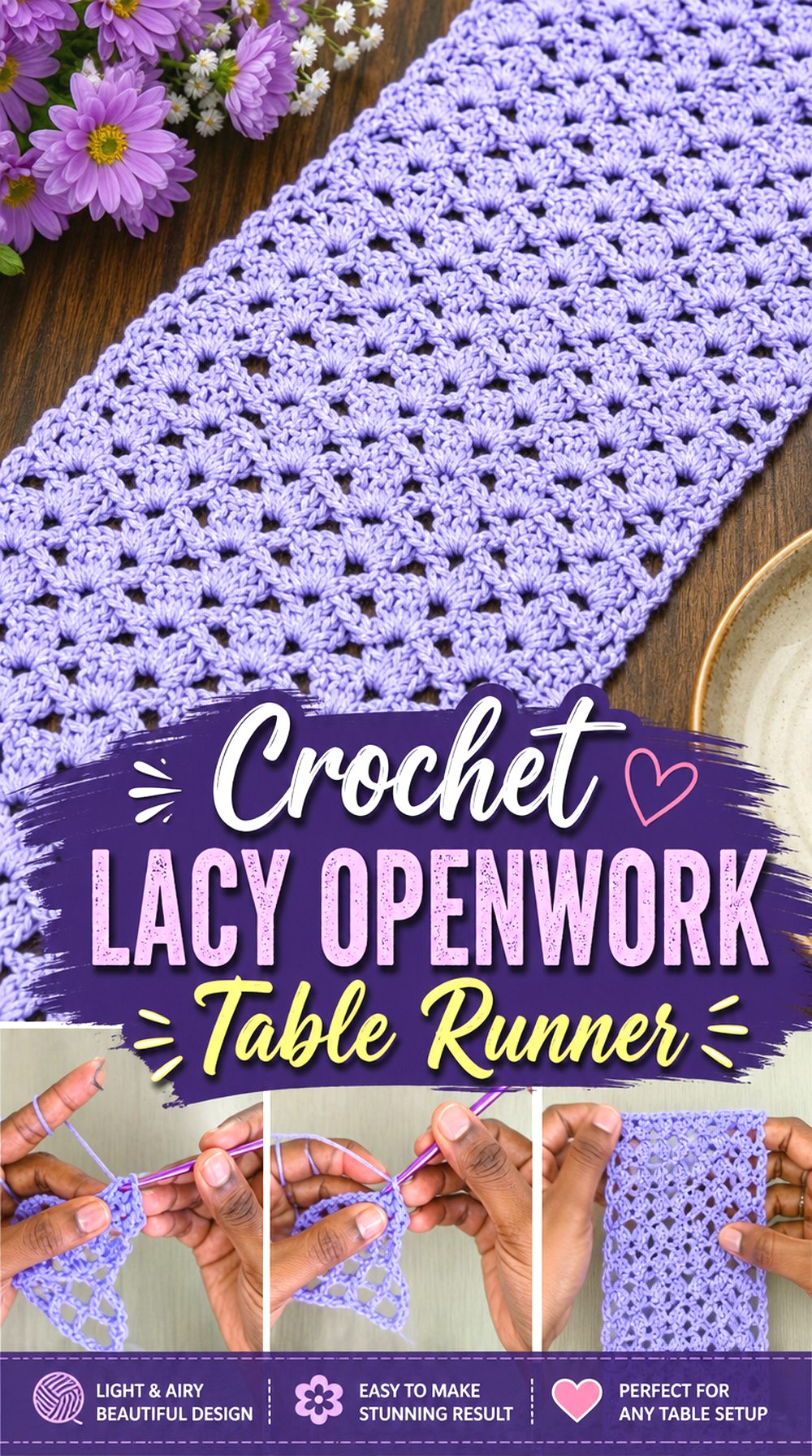
This lacy openwork runner has a lighter presence, making it useful when the table needs texture without looking too covered. The open design can work across everyday dining rooms, sideboards, or layered table settings where the runner supports the display instead of dominating it.
Compared with the filet runner, this one feels less like a picture panel and more like an airy strip of repeated texture. Readers who prefer a softer, more flexible dining-room accent may find this style easier to place with different dishes and table decor.
Check the Finished Footprint
A lacy runner can visually expand because the open sections let the tabletop show through. Before starting, readers should check the intended width and length against the surface they plan to decorate. A runner that is too narrow may disappear under a centerpiece, while one that is too wide may interfere with plates, chargers, or serving dishes during meals.
Match It to the Table Surface
Openwork crochet changes with the background beneath it. On a plain table, the lace may look crisp and detailed. Over a patterned tablecloth, the design may become harder to see. Think about the dining room’s usual setup before choosing this style, especially if the runner will stay out between meals rather than being used only for special occasions.
Look for Written Instructions
The source mentions a written pattern and photo tutorial, which can help readers who prefer to check details away from the video. Before beginning, confirm where the written guide is linked and whether it uses the crochet terms you are comfortable following. Having both visual and written support can be helpful for a repeated openwork design.
Original Tutorial and Creator Credit
Creator: Raji’s Craft Hobby
Crochet Granny Square Geometric Table Runner
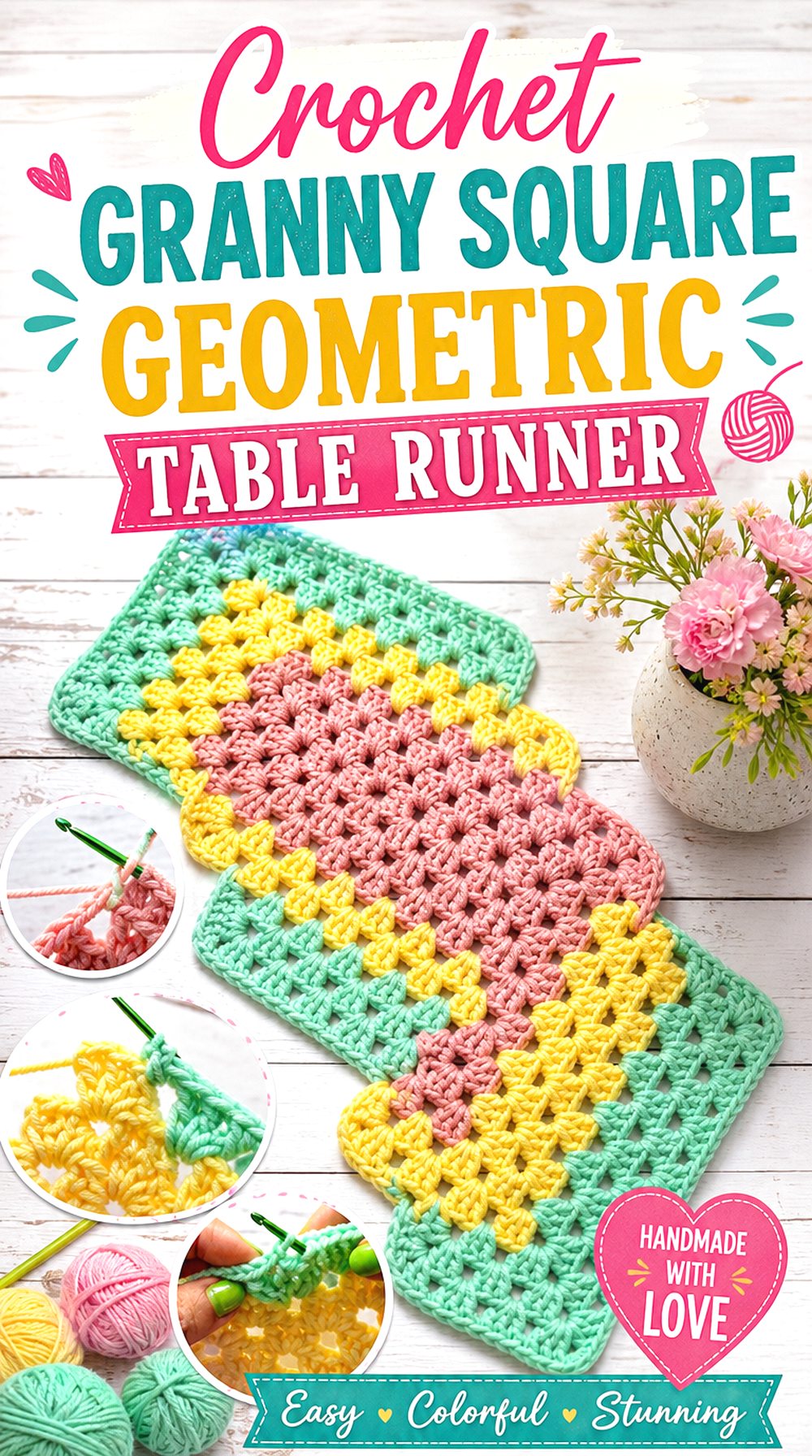
Granny squares give this table runner a bold, familiar structure with a more graphic dining-room look. The repeated square format can bring color blocks, borders, and geometric rhythm to a long surface, making it especially useful when the table needs a brighter handmade accent.
This runner differs from the lacy and filet options because the design is built around square units rather than an allover open panel. It may suit casual dining spaces, breakfast nooks, or rooms where coordinated colors are part of the decor.
Plan the Color Balance
A granny square runner can become busy quickly if every section uses strong contrast. Before starting, readers should decide whether the squares should be the main table feature or a supporting accent. A limited palette can make the runner easier to coordinate with dishes, while more color can create a cheerful focal point for a simpler dining room.
Consider the Edge Finish
The outside border can change the whole mood of a granny square runner. A clean border may make the piece feel more modern, while tassels or stronger color changes can make it more casual. Look closely at the final edge before choosing this option, especially if the runner will be used under centerpieces or near the ends of the table.
Compare the Shape as You Work
Square-based runners depend on even alignment. As the piece grows, it is useful to lay it flat and compare the sides, corners, and overall length. This simple check helps readers see whether the runner is forming a neat rectangle before the final finishing details are added, without needing to alter the creator’s instructions.
Original Tutorial and Creator Credit
Creator: The Crochet Chemistry
Crochet Fringe Edge Dining Table Runner
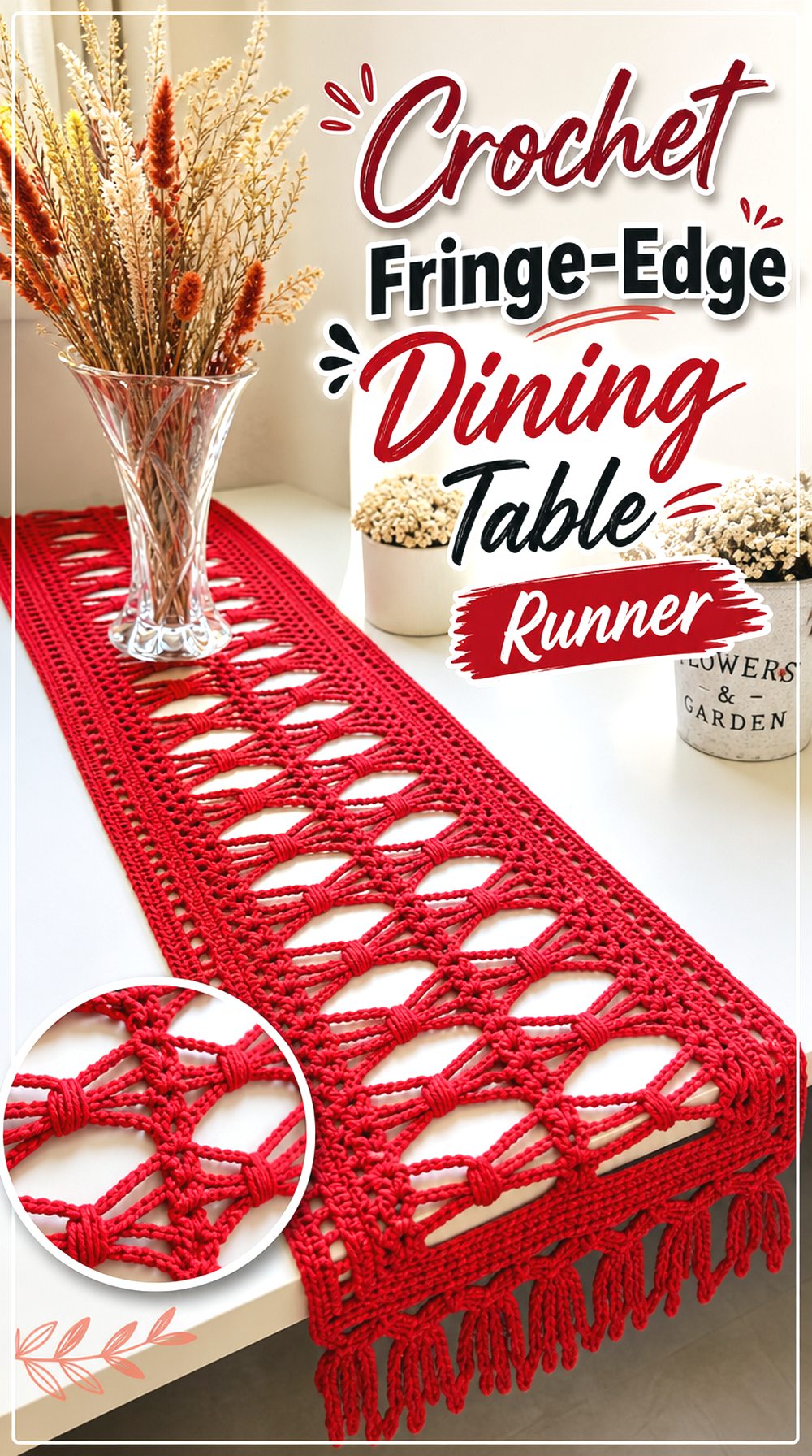
Fringe gives this runner movement at the ends, which can soften a dining table and make the finished piece feel more relaxed. The main body can sit flat across the table, while the fringed edges add detail where the runner meets the table edge or extends beyond it.
This option stands apart from the oval, motif, and granny square runners because the end finish is the feature to notice. It may work well for casual dining rooms, rustic styling, or a table setting that uses simple dishes and natural textures.
Check the Fringe Length
Fringe changes how a table runner behaves at the ends. Longer fringe can look decorative but may need more space beyond the table edge. Shorter fringe may feel neater for everyday use. Readers should check the finished look carefully and decide whether the fringe will hang freely, sit on the tabletop, or be kept away from chairs and frequent handling.
Think About Daily Handling
A fringed runner may be touched more often than a flat-edged one, especially when chairs move, dishes are passed, or the runner hangs near the table edge. Consider whether this piece will stay out every day or appear only for styled meals. That decision affects how practical the fringe feels in a busy dining room.
Prepare for the Finishing Stage
The fringe is not just an extra decoration; it completes the style of the runner. Readers should leave enough time and attention for the finishing stage instead of treating it as an afterthought. It is worth checking how the ends are handled in the original source so the final edge looks intentional and even.
Original Tutorial and Creator Credit
Creator: Mirian Artes em Crochê
Crochet Pineapple Lace Table Runner
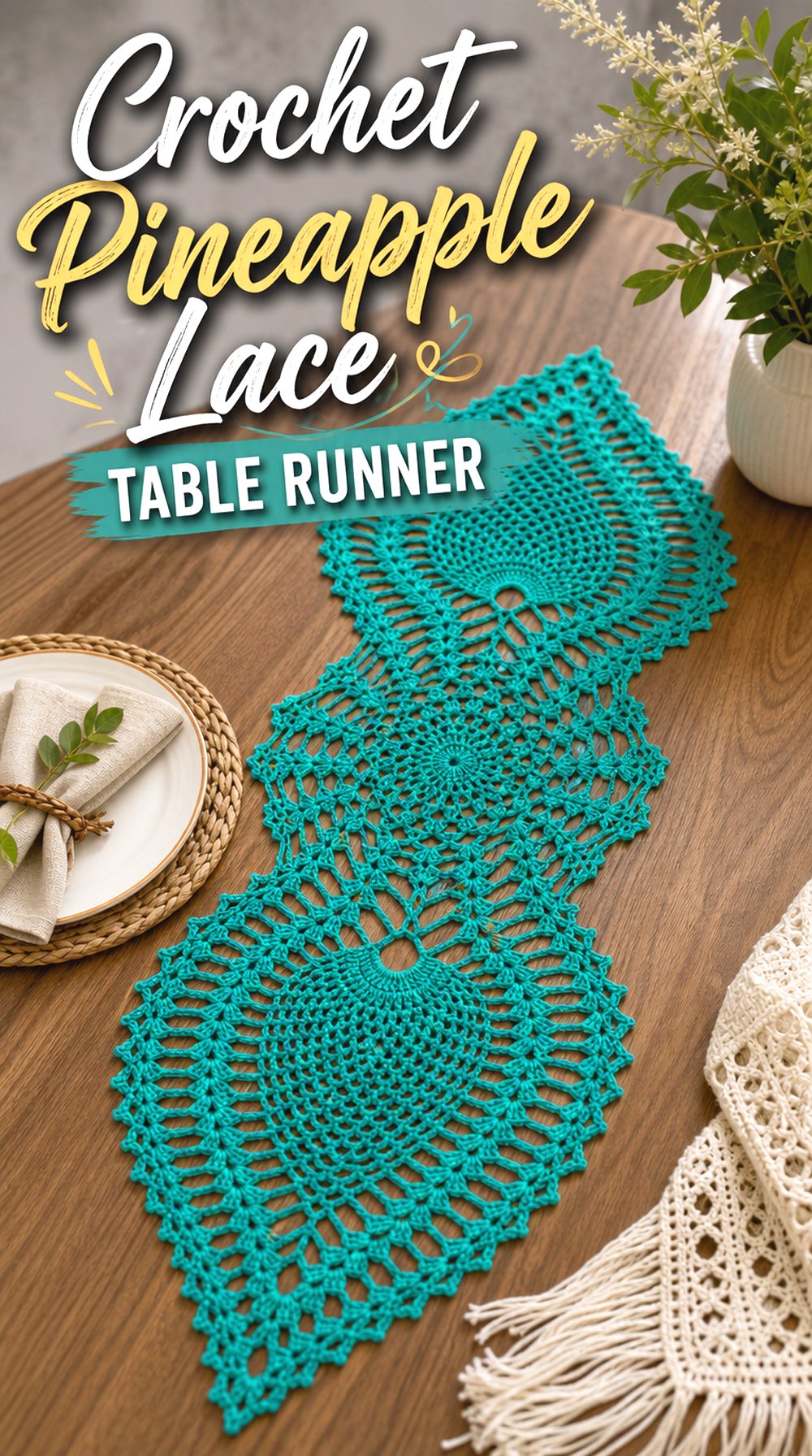
Pineapple lace gives this runner a traditional decorative look with a strong center pattern. The design can suit formal dining tables, vintage-inspired rooms, or sideboards where a more classic crochet style feels appropriate. Its appeal comes from the repeated lace shape and the way the pattern stretches along the table.
Compared with the rustic modern and granny square options, this runner feels more ornamental. It is a good project to consider when the dining room needs a refined crochet accent rather than a bold blocky or casual texture.
Consider the Pattern Visibility
Pineapple lace depends on the pattern being easy to see. A plain tabletop or simple tablecloth can help the shapes stand out, while a busy background may hide the design. Before making this runner, readers should picture where it will be placed and whether the table surface will support the lace rather than compete with it.
Confirm the Material List
For a lace runner, the material list matters because yarn size and hook choice can affect the finished scale and drape. Readers should check the source details before buying supplies and avoid assuming that a different yarn will create the same table coverage. Any substitution should be considered carefully against the desired finished look.
Recheck Before Moving Ahead
Traditional lace patterns can include sections that look similar from a distance. Pausing to compare the shape before moving ahead can help readers catch visual changes early. This is especially useful for a table runner, since the finished piece is viewed flat and lengthwise, making repeated pattern alignment part of the final presentation.
Original Tutorial and Creator Credit
Creator: The Art Zone
Crochet Rustic Modern Table Runner
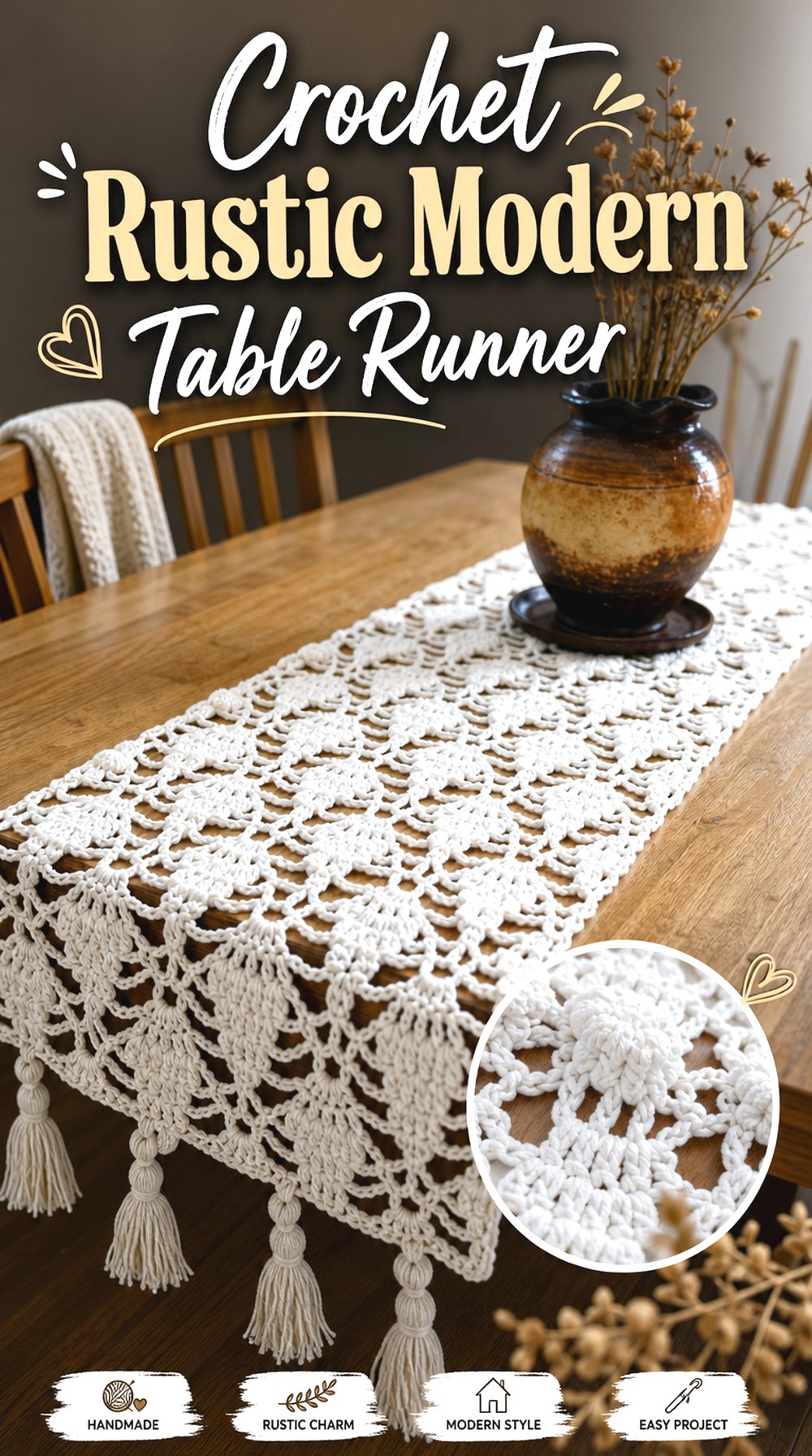
A rustic modern runner can bridge casual texture and clean dining-room styling. This type of project may suit wood tables, neutral dishes, farmhouse-inspired rooms, or a simple centerpiece arrangement. The appeal is not only in the crochet texture, but also in how the finished strip supports a relaxed table setting.
Unlike the pineapple lace runner, this option leans less formal. It is a useful choice for readers who want a handmade dining accent that feels warm and practical without relying on bright motifs or heavily decorative edges.
Match the Runner to the Room
Rustic modern styling depends on balance. If the dining room already has warm wood, woven chairs, or simple ceramics, this runner can support that look without adding too much pattern. Readers should think about the table’s usual colors and textures first, then choose a yarn color direction that works with the room instead of fighting it.
Check the Finished Width
A modern runner often looks best when the width feels intentional. Too narrow, and it may seem like a strip of trim; too wide, and it can interfere with place settings. Readers should compare the intended footprint with their table size and decide whether the runner will sit under a centerpiece, between place settings, or across a sideboard.
Mark Your Stopping Point
Long runner projects can be worked over several sessions, so it helps to keep a simple note of where you stopped. This is especially useful for a repeated texture or border. Marking the stopping point helps readers return to the project with less confusion while still relying on the creator’s exact tutorial for the construction details.
Original Tutorial and Creator Credit
Creator: Crochet Tejido Color
Conclusion
These crochet table runner ideas cover several dining-room needs. The oval tulip runner gives a shaped centerpiece look, the flower motif and granny square options bring repeated sections, and the filet, lacy, and pineapple runners offer more open decorative patterning. Fringe works well for a relaxed table edge, while the rustic modern runner suits simpler rooms and natural textures.
Choose by table shape, amount of surface coverage, edge finish, and how formal the dining room should feel. Use the original tutorials for the exact construction details before starting.
FAQs
How do I choose the right crochet table runner size?
Measure the table first and decide how the runner should sit. Some runners stay within the tabletop, while others extend over the ends. Also consider whether plates, serving dishes, candles, or a centerpiece will share the same space. A runner should decorate the table without making meals harder to serve.
Should a crochet table runner hang over the table edge?
It can, but it does not have to. Fringe and long rectangular runners often look intentional with some overhang, while oval or motif runners may look better centered on the tabletop. Check the finished shape in the tutorial and compare it with your dining table before deciding how much length you want.
What should I check before changing yarn?
Check the creator’s material list, finished size information, and any notes about the yarn used. A yarn change can affect width, length, drape, and how open the stitches look. For table runners, those changes matter because the finished piece needs to lie neatly and fit the table surface.
Are lacy crochet table runners practical for everyday dining?
They can be practical for display, but daily use depends on the household. Open lace may catch on objects more easily than a dense runner, and detailed edges may need gentler handling. If the table is used often for meals, choose a design with placement, cleaning, and storage in mind.
Can I sell a crochet table runner made from a YouTube tutorial?
Do not assume selling is allowed. Check the creator’s terms in the video description, linked pattern, website, or channel information. Some creators allow finished-item sales, while others may limit commercial use. Also review any local labeling, tax, or business rules that apply where you live.